Programmes
Find the right class for your child
Every programme runs live over Zoom with a maximum of six students. Choose by level and subject below, or ask us and we will point you to the class that fits.
If a national examination is the immediate concern, start with exam preparation, which sets out how we approach the PSLE and the O-Levels. Fees for every class are on the schedule and fees page.
Primary
P3 English
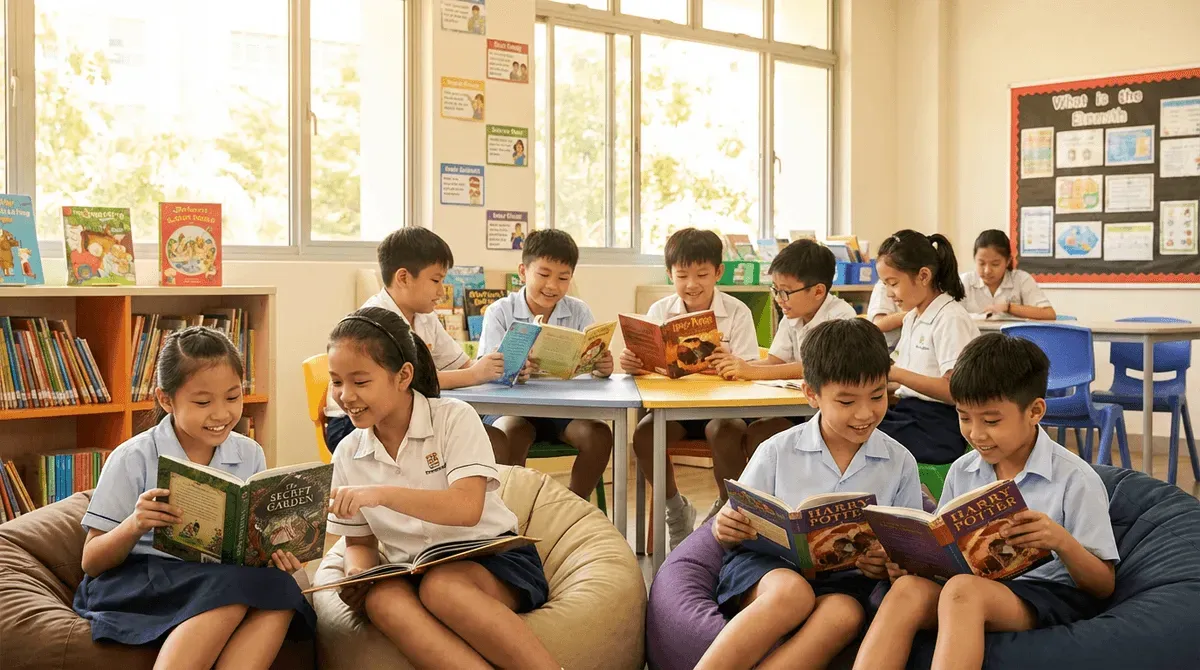
The jump from P2 to P3 catches many children out. This class rebuilds comprehension and writing from the ground up, before the gap widens.
P3 Science
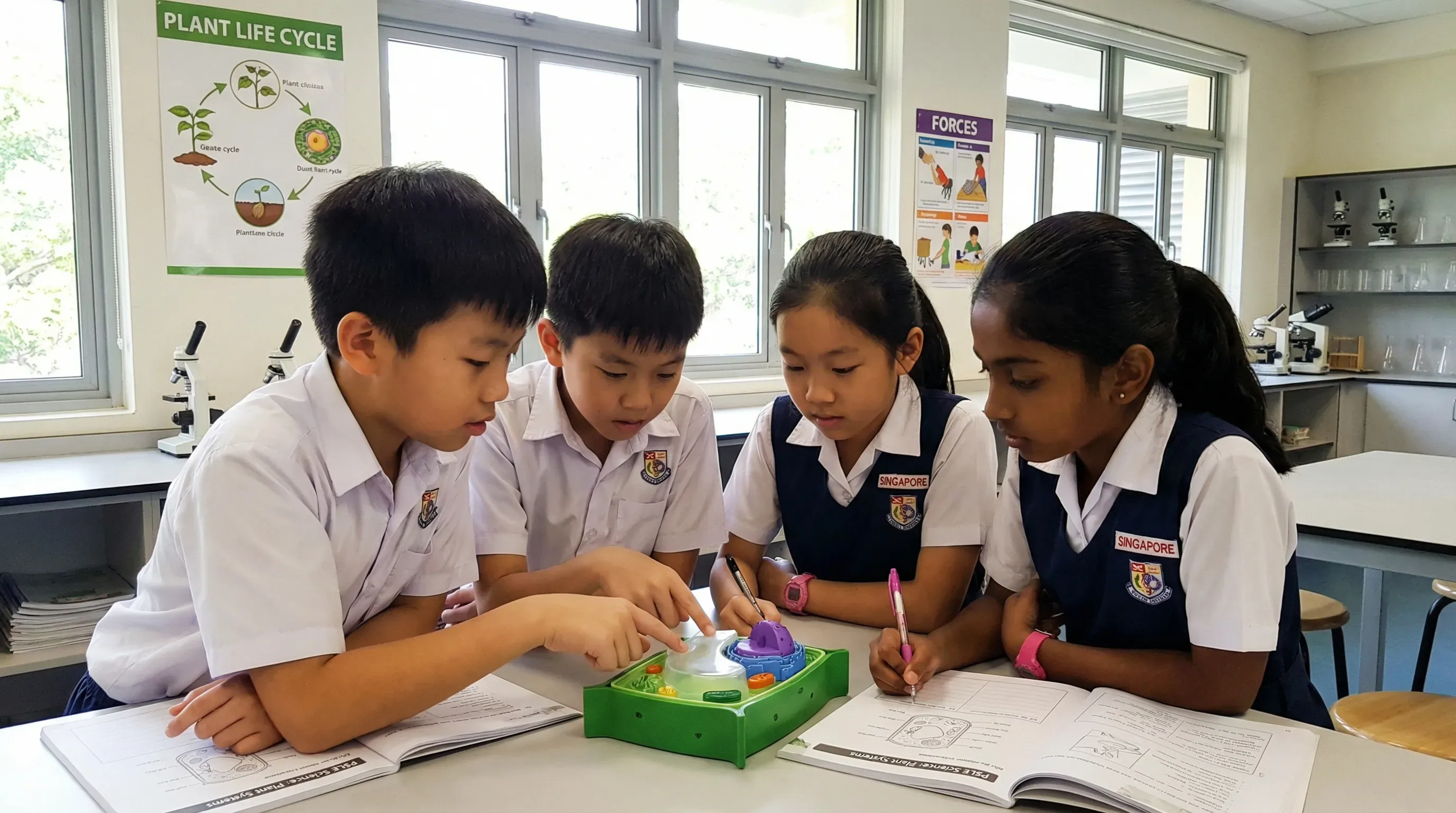
P3 is where Science becomes a subject rather than a topic. The habits formed here — observe, describe, explain — are the ones the PSLE eventually tests.
P3–P4 English Writing
A dedicated composition class for lower and middle primary, building the planning and sentence habits that make longer writing possible later.
P4 English
P4 is the last year before the paper gets materially harder. It is the most useful year to fix comprehension technique and grammar accuracy.
P4 Math
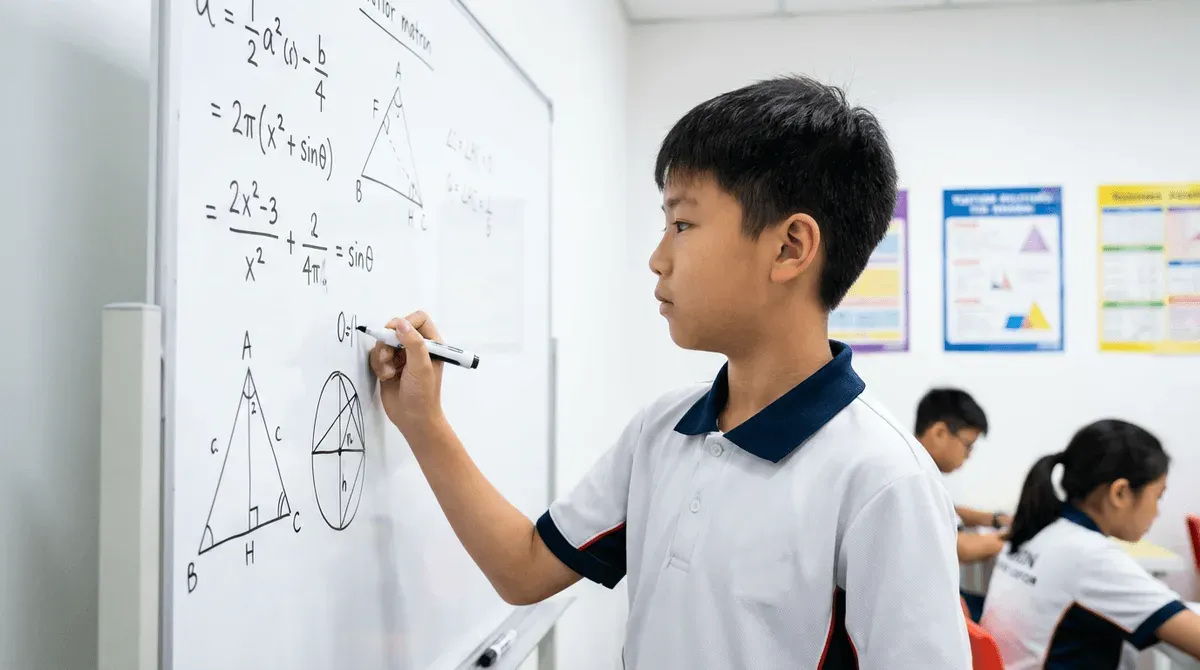
P4 introduces the multi-step problem sums that upper primary is built on. Getting the method habits right here saves a great deal of difficulty later.
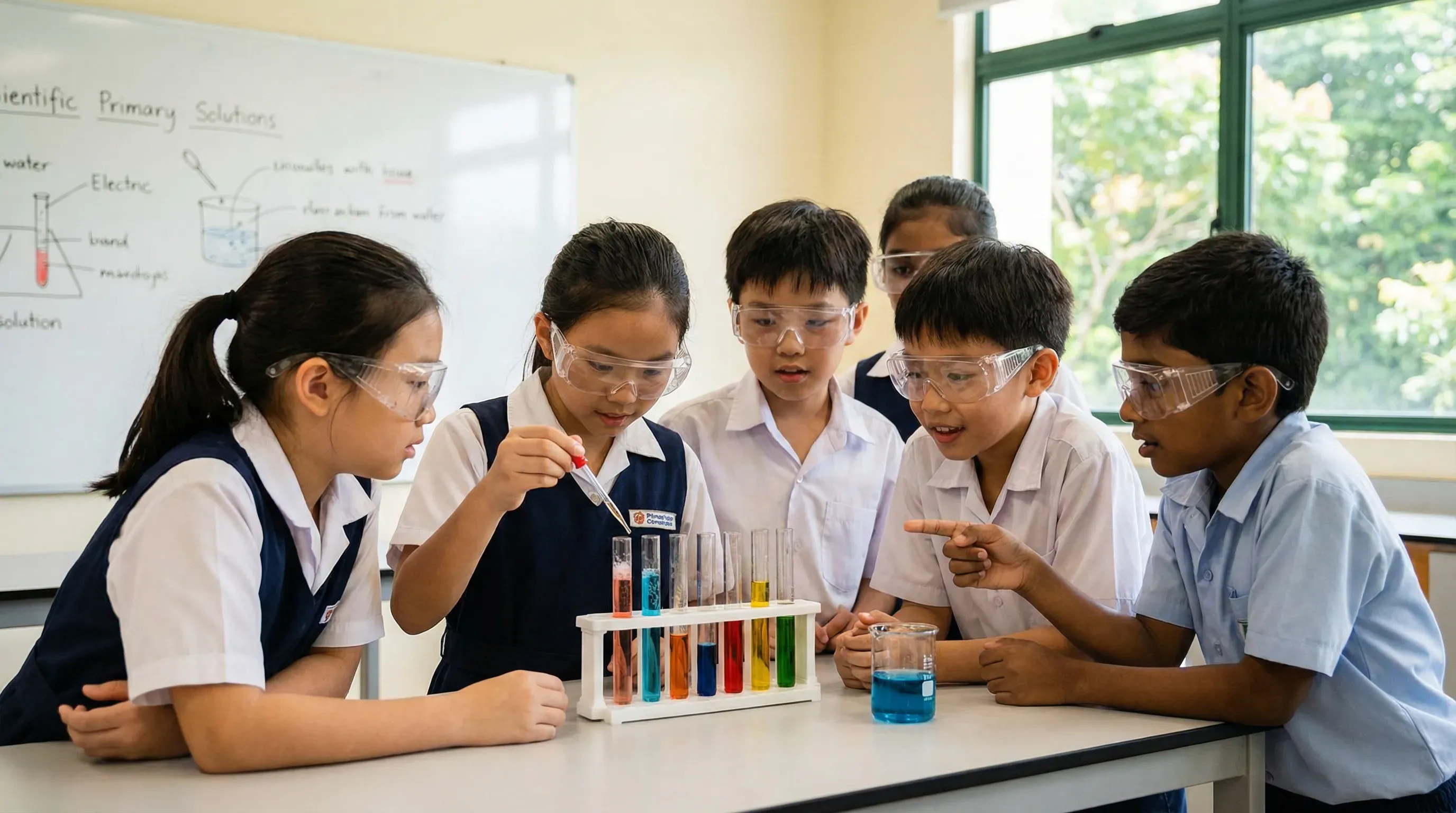
P4 Science
P4 is the first formal year of Science. Getting the habits of observation and explanation right now makes P5 and P6 considerably easier.
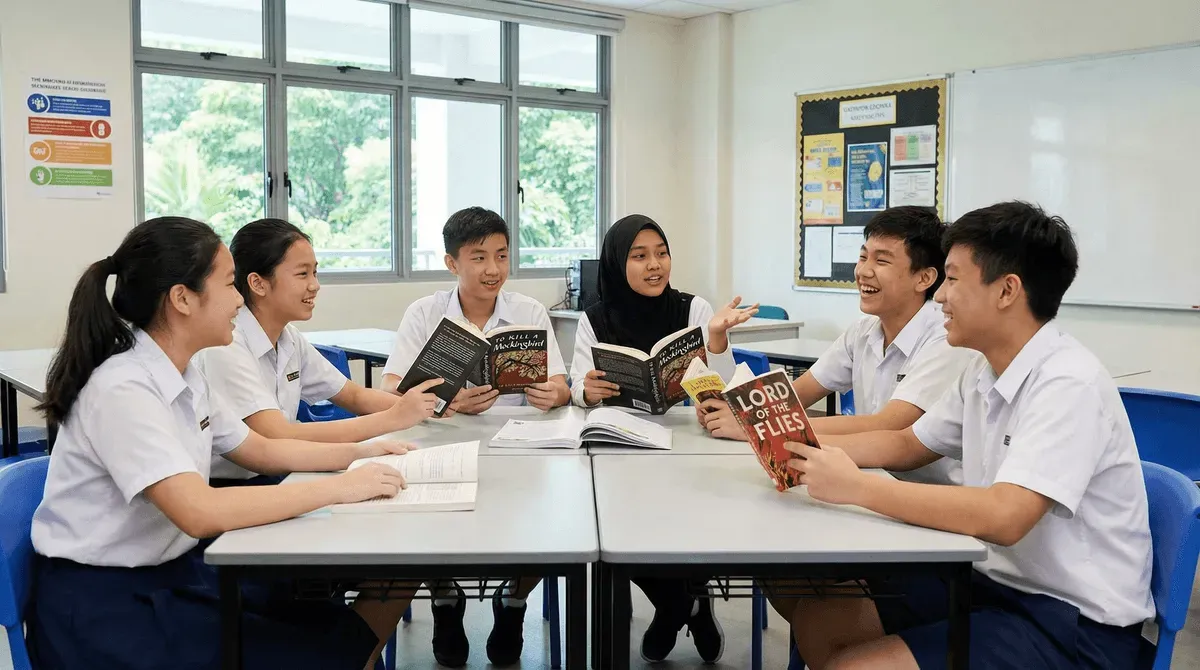
P5 English
P5 covers the full range of the PSLE paper without the time pressure of P6. It is the best year to fix technique rather than revise it.
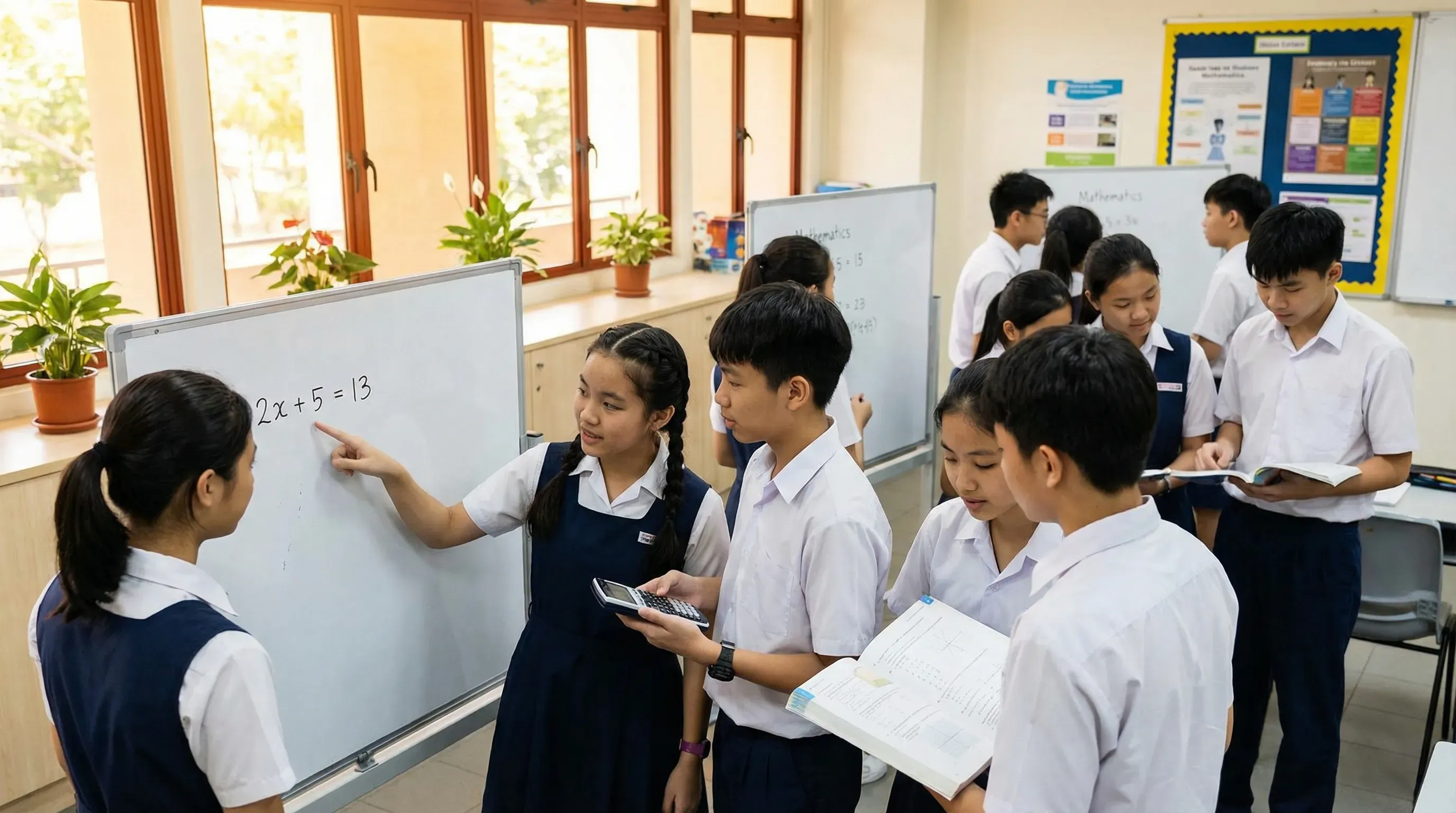
P5 Math
Most of the methods the PSLE tests are introduced in P5. A pupil who leaves this year without them spends P6 catching up instead of preparing.
P5 Science
The syllabus shifts from recall to applying concepts in unfamiliar situations. This class teaches the reasoning that shift demands.
P5–P6 English Writing
A dedicated writing class for upper primary, aimed at the gap between a competent composition and one that actually scores.
P6 English
A full-paper preparation class covering every component of PSLE English, with the emphasis on the technique each section actually rewards.
P6 Math
A PSLE preparation class built on recognising question types, so your child knows which method to reach for before starting to write.
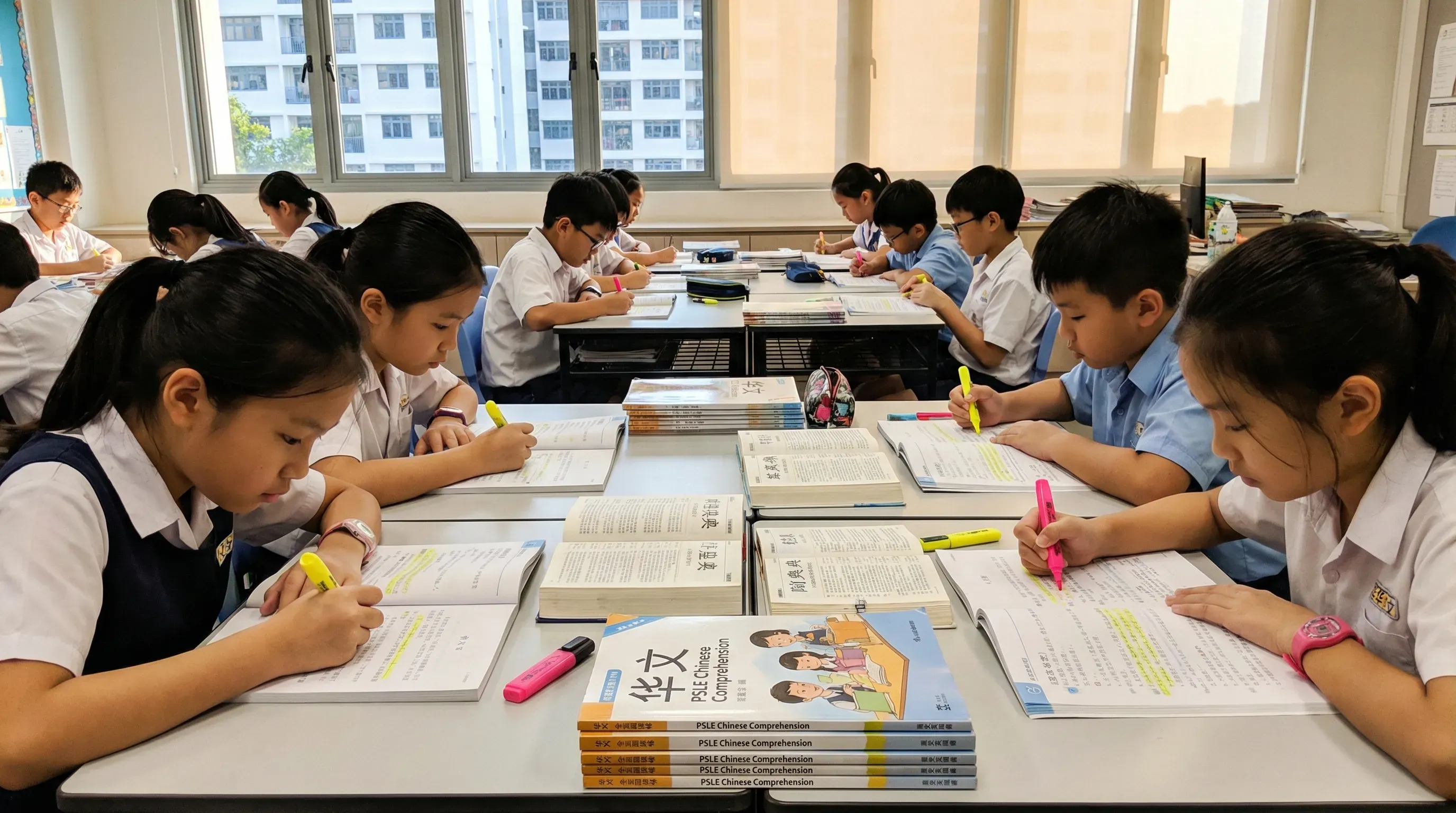
P6 Chinese
An intensive PSLE Chinese class focused on composition, comprehension and oral — the three places most pupils give marks away.
Secondary
Sec 1–4 English
Strong English does not automatically become a strong grade. This class teaches the specific demands of each paper component.
Sec 1–2 Math
Sec 1 and 2 Math is where algebra either clicks or quietly becomes a problem. This class makes sure it clicks.
S2 Science
S2 Science determines which subjects are open at upper secondary. It is also where the shift from recall to explanation becomes unavoidable.
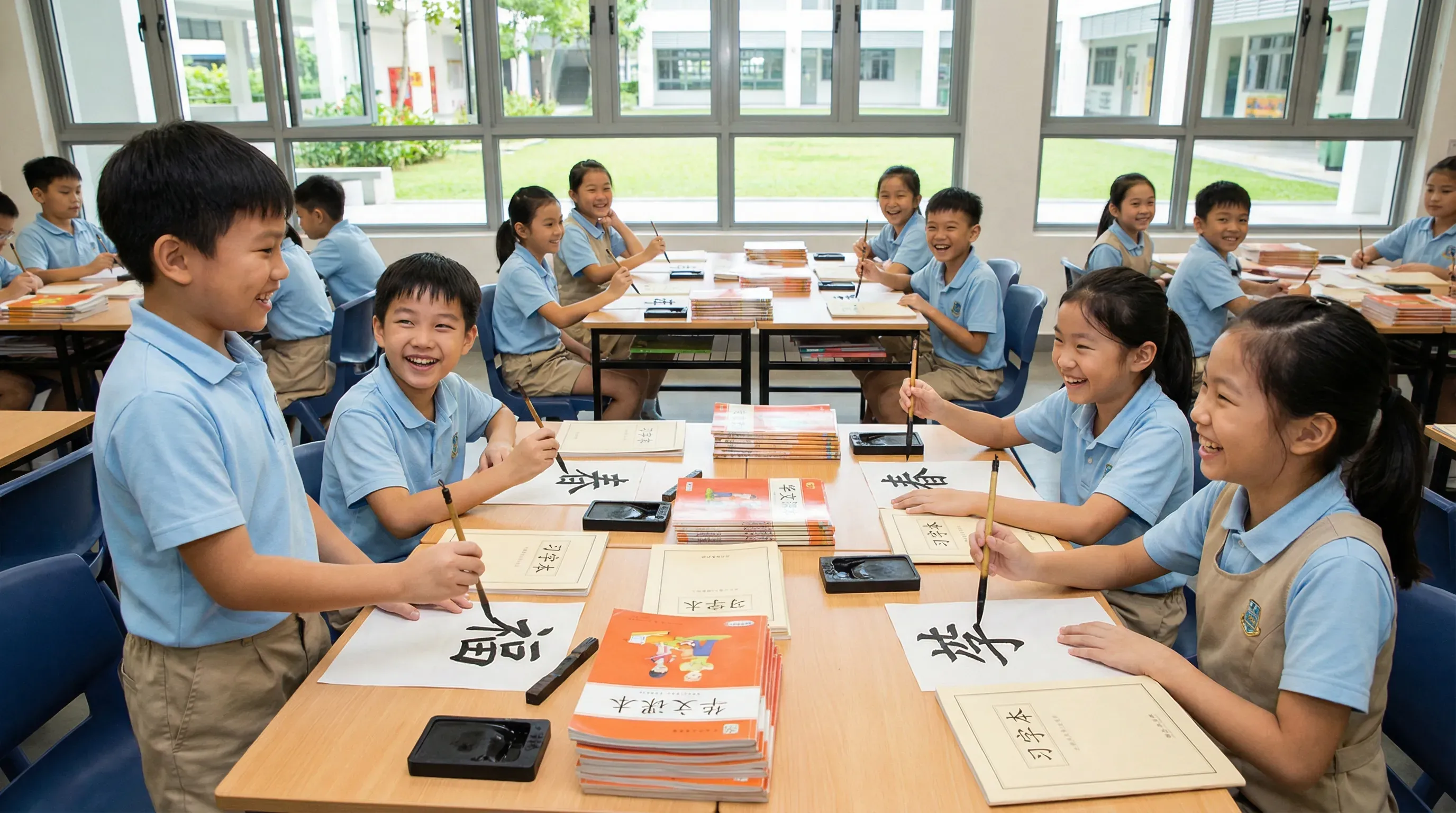
S1–S3 Chinese
A small-group class covering all four demands of Secondary Chinese — oral, vocabulary and grammar, reading comprehension and writing — for Sec 1 to Sec 3.
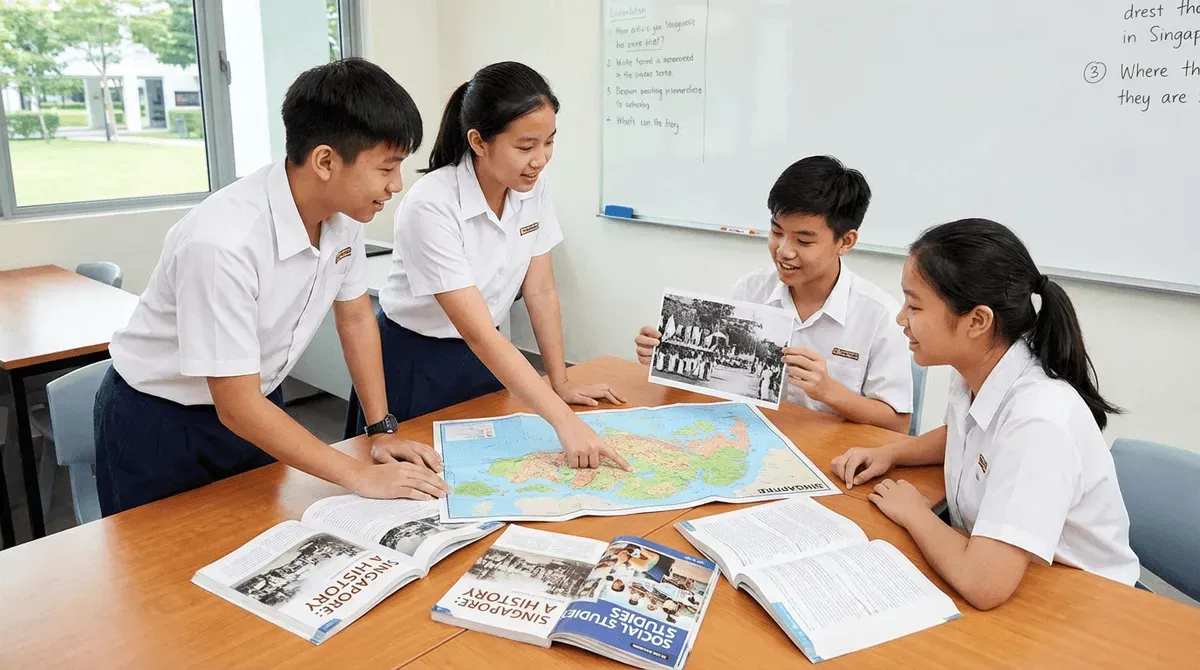
S4 History
History marks are lost in structure, not in knowledge. This class drills the SBQ and structured essay formats Cambridge rewards.
S4 Social Studies
O-Level Social Studies rewards a small set of repeatable moves on source-based questions. Learning them is worth more than knowing more content.
Not sure which class?
Tell us your child's level and what they are finding difficult, and we will recommend the programme that fits — or tell you honestly if we do not have one.
We use your details only to answer your enquiry. No mailing list, no sharing with third parties. See our privacy policy.